
There is a standing rule for Booster Robotics open days: if a robot can show it, nobody is allowed to merely say it. At the latest open day, developers, educators and prospective team coaches visited the robot football training base to watch the robot soccer robot fleet do its actual work - training, scrimmaging and recovering - and to interrogate the engineers and the toolchain behind a world-title season. This is what the day looked like.
Matches, Not Slides
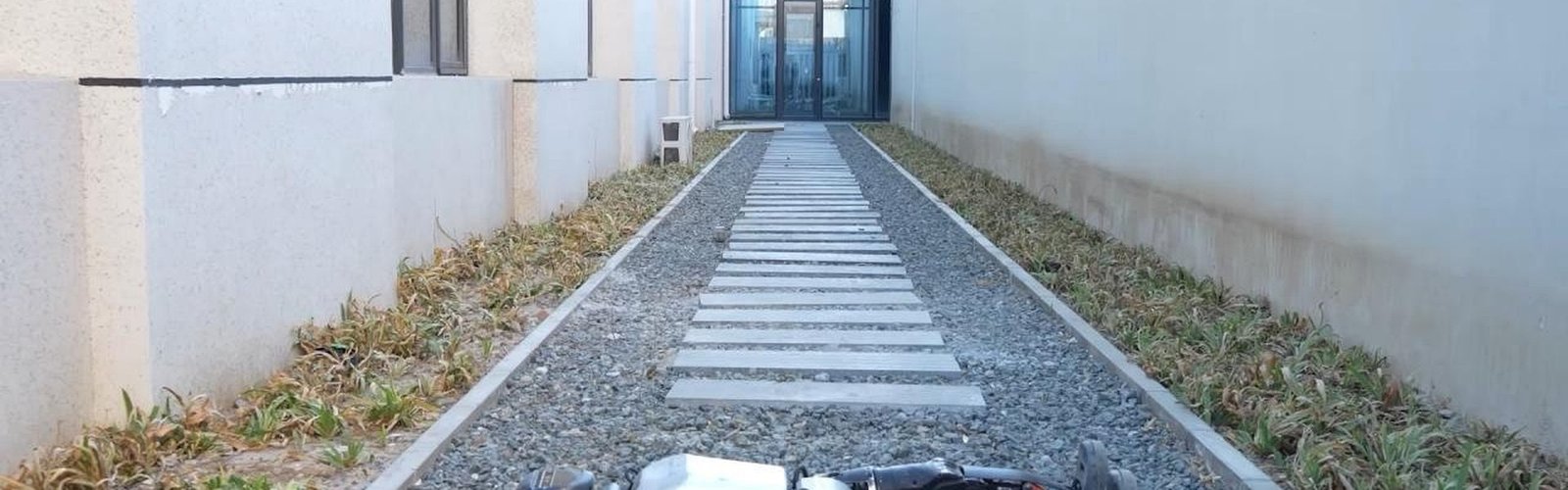
The programme began where Booster began: on the pitch. Visitors watched training matches in which T1-class humanoids ran the skills a season is built from - dynamic walking, dribbling under pressure, kicks struck on the move, and the moment every crowd leans in for: a robot going down under a challenge and getting itself back up to rejoin play. Because this was a working training session rather than a choreographed show, visitors also saw the honest parts - a misread ball, a tactical reset, engineers swapping a policy between halves. Several guests said afterwards that the imperfections were the most convincing part: this is what a competition platform looks like on an ordinary Tuesday, and ordinary Tuesdays are what customers buy.
Developers at the Controls
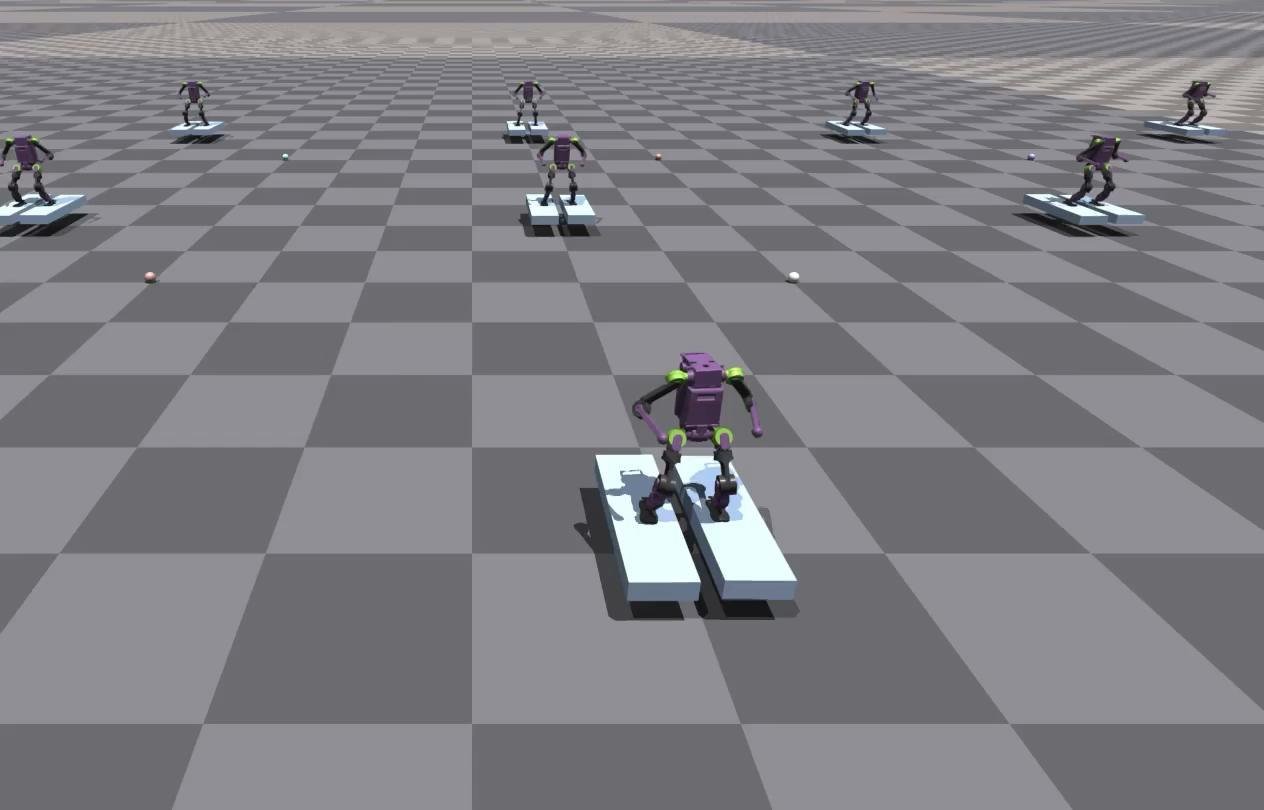
The second half of the day belonged to the toolchain. Booster engineers walked visitors through the full loop - a behaviour adjusted in the simulation environment, deployed to a robot, verified on the training ground - using the shipping developer tools and RL framework, not an internal build. Visiting developers were invited to break things: change a parameter, watch the consequence in simulation, and decide whether it deserved hardware time. Educators used the same session differently, mapping the workflow onto course structures - which weeks students spend in simulation, when hardware time is scheduled, and how a competition deadline organises a syllabus.
The Questions We Take Home
Open days are also market research, and this one sent the team home with a familiar list. Developers want deeper access: more policy examples, more visibility into the training pipeline, more time on hardware. Educators want beginnings made easier: first-lesson plans, training for non-specialist teachers, and honest guidance on what one robot can do for a whole school. Industry visitors want operational proof translated into their own settings - patrol routes, inspection points, baggage flows. Each request maps to work already in motion in the laboratory programmes, the developer tools roadmap and the pilot structures described across this newsroom - and the list itself will shape the next open day's programme.
The Classroom Corner
Not every visitor was building a competition team. A dedicated area ran the Booster K1 in its natural habitat: classroom-scale demonstrations, with teachers and STEM coordinators testing how a 0.95 m humanoid fits school timetables, room sizes and safety expectations. The questions here were gloriously practical - charging routines, storage, class management, what a first lesson looks like - and they are exactly the questions our K-12 and STEM programme is designed around. Several school visitors arrived worried that humanoid robots belonged to universities; they left with a phased plan that starts with one robot and a trained teacher.
Arrange Your Own Visit - Physical or Virtual
Open days run for groups from universities, schools, distributors and industry partners, and the format adapts: competition-focused for prospective teams, curriculum-focused for educators, operations-focused for industry visitors evaluating patrol or inspection platforms. Groups that cannot travel can book the virtual equivalent - a live, unedited online session with robots on the training ground and engineers on camera, including the fall-and-get-up test we recommend every evaluator demand. The base's calendar fills around competition and semester cycles, so early booking is genuinely useful rather than a sales line.
Want to bring a group to the training base, or book a live online session? Compare the relevant product range and deployment scenarios to take the next step.