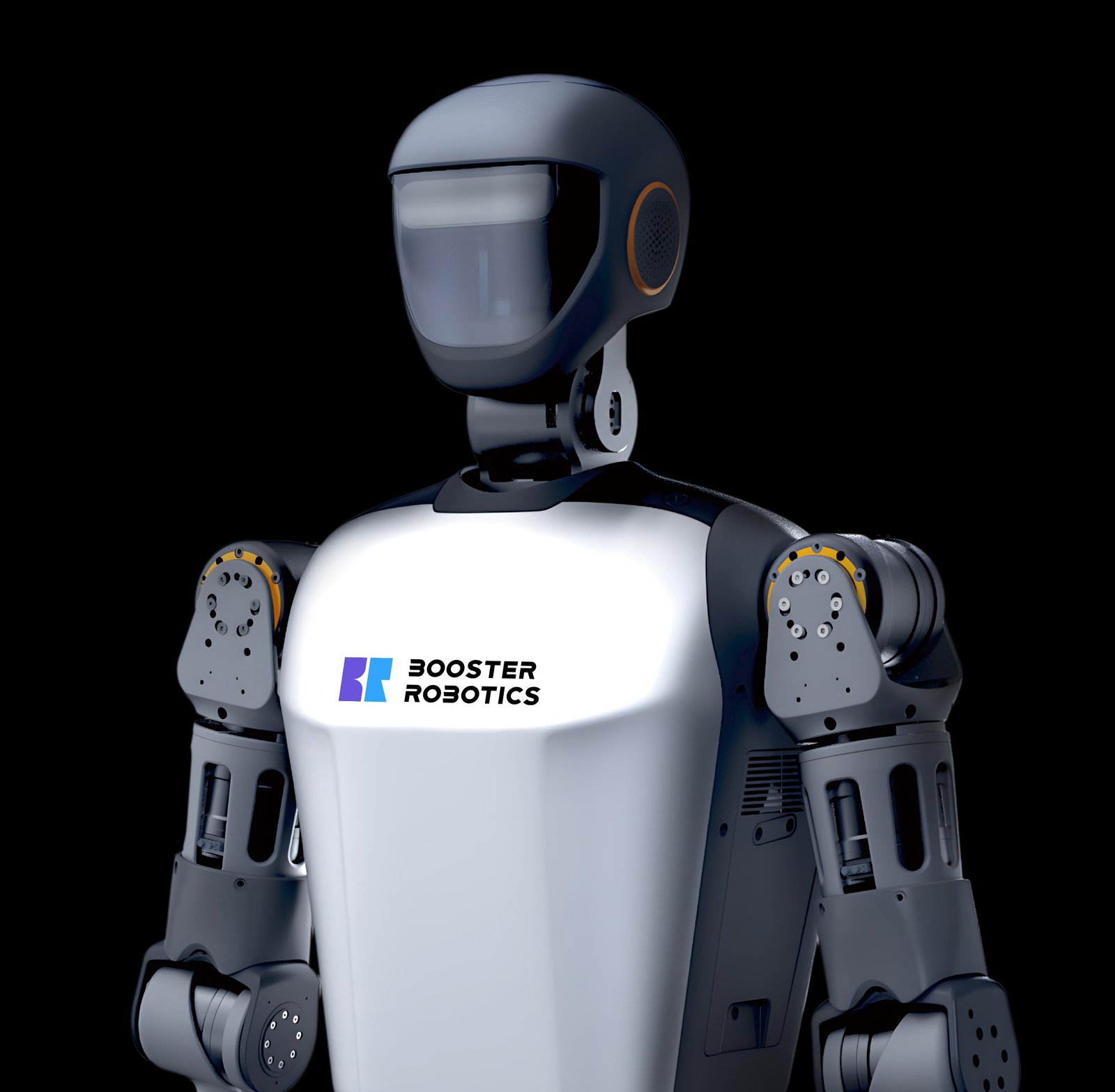

Ask experienced robot owners what separates suppliers, and few will mention the keynote demos. They mention the Tuesday afternoon when something broke before a competition, a class or a client visit - and what happened next. This article explains, plainly, how Booster Robotics' service network works: spare parts, remote diagnosis, documentation and the local layer provided by distribution partners. Humanoid robot support is part of the product, and it should be inspectable before you buy, not discovered after.
Support Is Part of the Product
Booster's support model rests on the records created when each robot is built. Every unit ships with a test record and a software version record tied to its serial identity, so a support conversation starts from your exact robot - its configuration, its build, its software - rather than from a generic model description. When hardware is involved, the same records identify the correct part the first time.
Spare Parts Without Drama
The parts system is organised around the components that actually wear, get damaged or get borrowed by students and never returned: joint modules and actuator assemblies, battery packs, sensor units such as depth cameras, structural shells and covers, cables and connectors, and the end effectors and payload mounts for working robots. Every part maps to a model in the humanoid, quadruped or wheeled-legged ranges, so identification starts from the product structure rather than from a photograph of the broken piece. Parts are identified by model and, where it matters, by unit record, which prevents the classic failure of the almost-right module arriving after a long wait. Distributor partners in major markets hold first-line stock for the models they sell, so common parts travel days, not weeks. For laboratory customers, we recommend a starter spares kit matched to class size and usage intensity - cheap insurance for a teaching timetable.
What Good Support Feels Like From the Inside
From the customer's side, a mature service network has a particular feel: questions are answered against your unit's records, not a generic manual; a part, when needed, is identified once and arrives correct; and the people helping you can see the same software versions you see. Booster builds toward that feel deliberately, connecting the production test record, the software version record and the support history into one unit biography. It is unglamorous infrastructure, and it is also the difference between a fleet that ages gracefully and one that becomes a shelf of almost-working machines by its third year - a distinction every experienced laboratory manager has met before.
Remote Help, Documentation and Training
Many 'hardware problems' are software states, and the platform is built to be helped from a distance: version records, policy and configuration checks, and guided recalibration resolve them fastest. Around remote help sits the paper layer - operating documentation, maintenance guidance and the developer documentation for the platforms and accessories your team uses daily. Training closes the loop: the teacher and engineer training in our laboratory programmes includes routine maintenance and first-line diagnosis, so the person standing next to the robot can distinguish a five-minute fix from a genuine fault before anyone files a ticket.
Planning Maintenance Into Your Budget
Finally, a word of buying advice we give every institutional customer: budget support the way you budget the robot. A sensible plan covers a starter spares kit, a maintenance rhythm your own technicians can perform, and clarity about which work is warranty, which is wear, and which is damage. Institutions that plan this at purchase time - alongside the total cost of ownership thinking in our guide to choosing a research humanoid - consistently get more working hours from the same fleet than those that treat support as an afterthought. Robots reward owners who plan; so do we.
Evaluating a fleet purchase? Compare the relevant product range and deployment scenarios to take the next step.