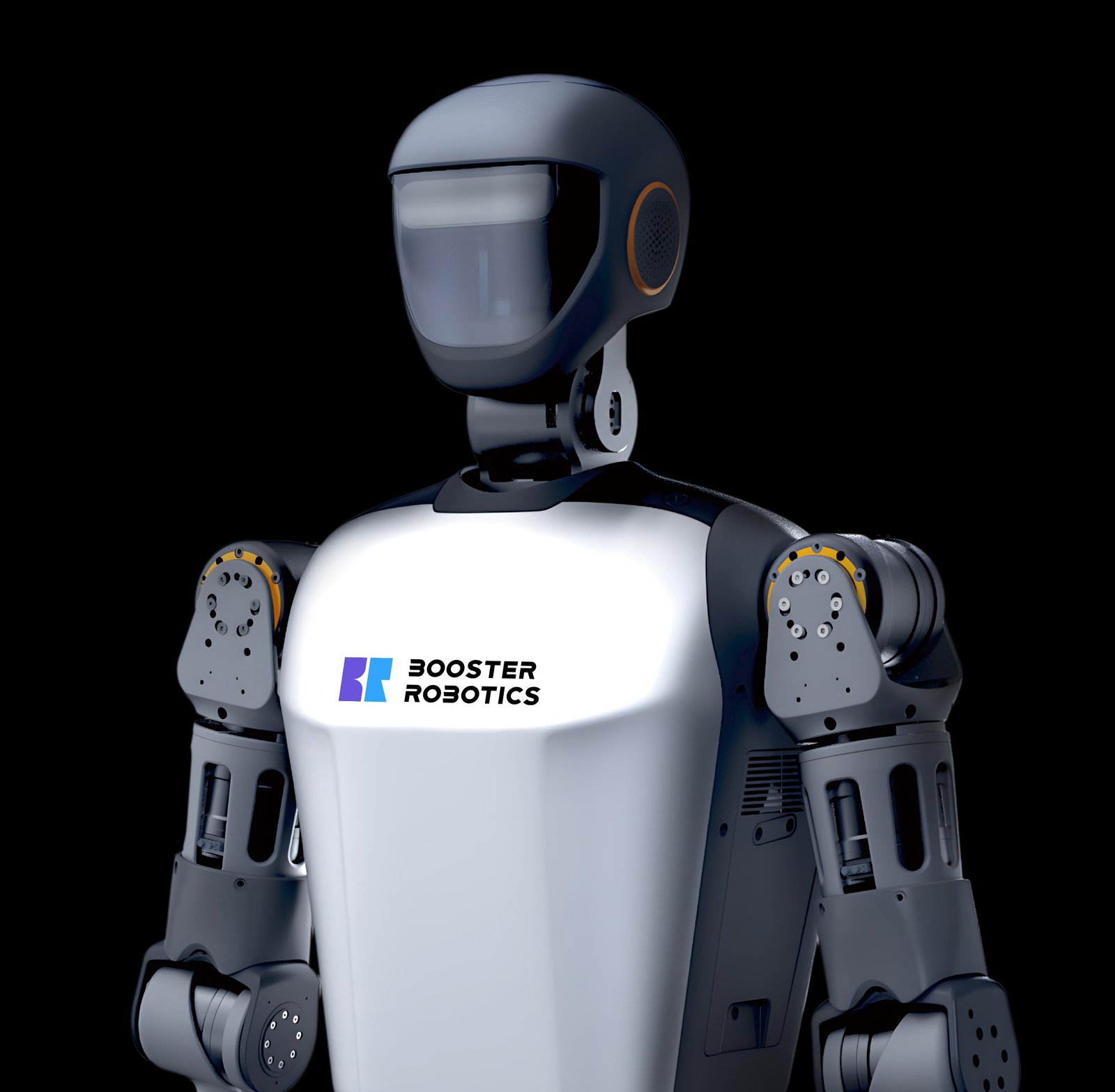

Of all humanoid robot specifications, the degrees-of-freedom count is the most quoted and the least explained. It appears in every headline - 22, 23, more - and buyers are left to assume that bigger means better. Sometimes it does. Often the distribution matters more than the total, and the most useful word in the specification is not the number at all. This article explains DoF simply: what it counts, where the joints sit, and how to read the figure like an engineer.
What a Degree of Freedom Is
A degree of freedom is one independent direction of movement at one joint. A hinge - an elbow bending - is one DoF. A joint that bends and rotates is two. A humanoid's total is the sum across its body: legs, arms, waist, neck. The count therefore describes a robot's movement vocabulary - the set of postures and motions its hardware can physically express. Software decides what to say with that vocabulary, but no policy, however clever, can express a motion the joints do not exist to make. That is why the count belongs on the first page of every specification.
Distribution Beats Headline
Two robots can both claim 23 DoF and move like different species. What matters is where the joints are. Legs carry the locomotion count: enough DoF per leg for stable walking, turning and recovery. Arms carry manipulation and gesture; the wheeled dual-arm humanoid in our range, for example, specifies 7 DoF per arm excluding the end effector - an arm count chosen for two-handed handling work. Waist and neck joints contribute to balance, reach and interaction. When comparing platforms, ask for the distribution - per leg, per arm, waist, head - and compare like with like, rather than crowning the bigger headline.
Reading Real Examples
Booster's own range shows the logic. The flagship T1 is specified at 23 DoF, sized for locomotion and whole-body control research on a 1.2 m platform. The compact K1 carries 22 DoF at 0.95 m - nearly the same movement vocabulary in an education-sized body, because the teaching value lies in real bipedal behaviour, not in a reduced joint count. The near-equal figures are deliberate: the platforms differ in scale, compute and role, not in whether their motion is genuine. That is the comparison habit to copy - ask what each DoF figure is for.
The Word That Matters: Expandable
The T1's specification carries a qualifier worth more than several extra joints: expandable. Research programmes evolve - a locomotion group adds manipulation work, a teaching lab adds interaction projects - and an expandable architecture lets the platform's movement vocabulary grow with them, instead of the hardware freezing the programme at its first-year ambitions. When a platform is a multi-year investment, ask not only how many degrees of freedom it has, but whether the count can grow, what expansion the manufacturer supports, and what the expansion path costs in money and downtime.
DoF Is a Means, Not a Result
Finally, hold the number in its place. Degrees of freedom describe capability, not performance: walking quality, balance recovery and manipulation skill come from actuation, control software and training, exercised through those joints. A well-controlled 22-DoF platform will outperform a poorly controlled higher-count one at every task either can attempt. Use DoF the way engineers do - as the first filter that tells you which motions are possible - then judge the finalists on demonstrated behaviour: walk, turn, fall, get up, handle the object. The specification opens the conversation; the demonstration should close it.
Comparing humanoid platforms for a laboratory or programme? Compare the relevant product range and deployment scenarios to take the next step.