
From Pilot Line to Full Hall
The platform's architecture is what makes scaling a configuration exercise rather than a new project. A pilot typically runs a small fleet on one stream under full scheduling and traceability from day one, so the data record, exception workflows and operator habits established in the pilot are the same ones the full hall inherits - only the unit count and route map change. Airports can therefore judge the complete system, software included, at pilot scale and cost, which is exactly how capital decisions of this size should be de-risked.
A baggage hall does not run one robot; it runs a fleet, and a fleet without coordination is just several robots sharing a floor. The multi-robot scheduling platform is the system layer of Booster's baggage solution: it allocates work across the fleet as bags arrive, keeps the 80 / 10 / 10 collaboration model running in practice, and records every bag's journey for full-process traceability. This article explains what the platform does and why it is inseparable from the hardware it conducts.
Allocation: Matching Bags to Machines
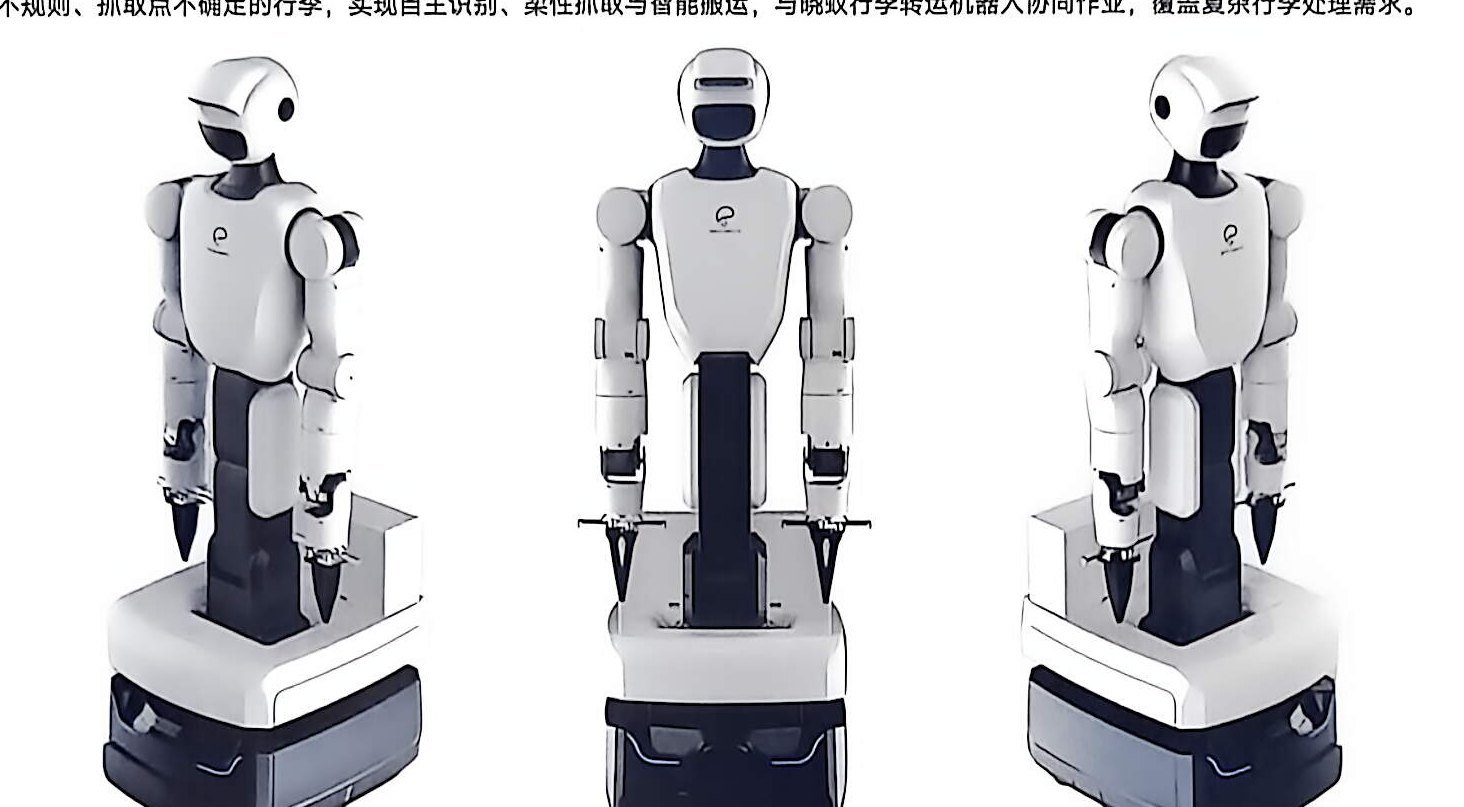
The platform's first job is triage at machine speed. As the stream arrives, standard bags are routed to DawnAnt transfer units and irregular items to the wheeled dual-arm humanoid, balancing load across available units and re-allocating when a unit is busy, charging or taken out of service. This is the 80 / 10 / 10 model as software rather than slogan: the proportions are the expected distribution, but the platform works from the actual stream, bag by bag, so a surge of irregular luggage rebalances the fleet instead of overwhelming one machine.
Exceptions Are the Real Workload
Scheduling demos show smooth flow; scheduling products are judged on exceptions. A bag a robot declines, a unit that faults mid-task, a sudden peak when a wide-body flight lands - the platform's value is how work is handed over, queues are re-sequenced and human operators are pulled in for the genuinely manual share, with the hand-off recorded rather than shouted across a hall. The operation and scheduling product page sets out the platform's place in the range; every deployment scopes its exception workflows with the airport's own operating procedures before go-live.
Traceability: Every Bag, Every Step
The platform's second job is memory. Each bag's handling is recorded as it moves - which unit handled it, when, and where it went next - giving the operation the full-process digital traceability the wider smart airport solution is built around. For the airport, that record is operational gold: passenger queries answered from data, mishandling investigations that start from evidence, and performance reviews by hour, unit and stream type. Traceability is also what turns a pilot into a business case, because improvement can be measured rather than asserted.
The Operator's View
For the people running the hall, the platform presents the fleet as one system: units working, units charging, queues forming, exceptions waiting, rates against the shift's demand. That single view is what lets a small supervisory team oversee an automated hall - intervening by exception instead of watching by habit. It is also the integration point with the airport's own systems and reporting, scoped per deployment: the platform speaks for the robot fleet within the terminal's wider baggage operation, rather than pretending the fleet is the operation.
Why Scheduling Ships With the Robots
Booster delivers the scheduling and traceability platform as part of the baggage solution, not as an optional extra, because a multi-robot deployment without it is unfinished. The same fleet logic - allocation, exception handling, full data record - is what lets the system scale from a pilot line to a hall: adding units adds capacity the platform absorbs, rather than complexity the operator absorbs. Buyers evaluating any multi-robot baggage proposal should ask the scheduling question first and the robot question second; the answers will predict the deployment's success in that order.
Planning a baggage automation pilot or a full hall deployment? Compare the relevant product range and deployment scenarios to take the next step.