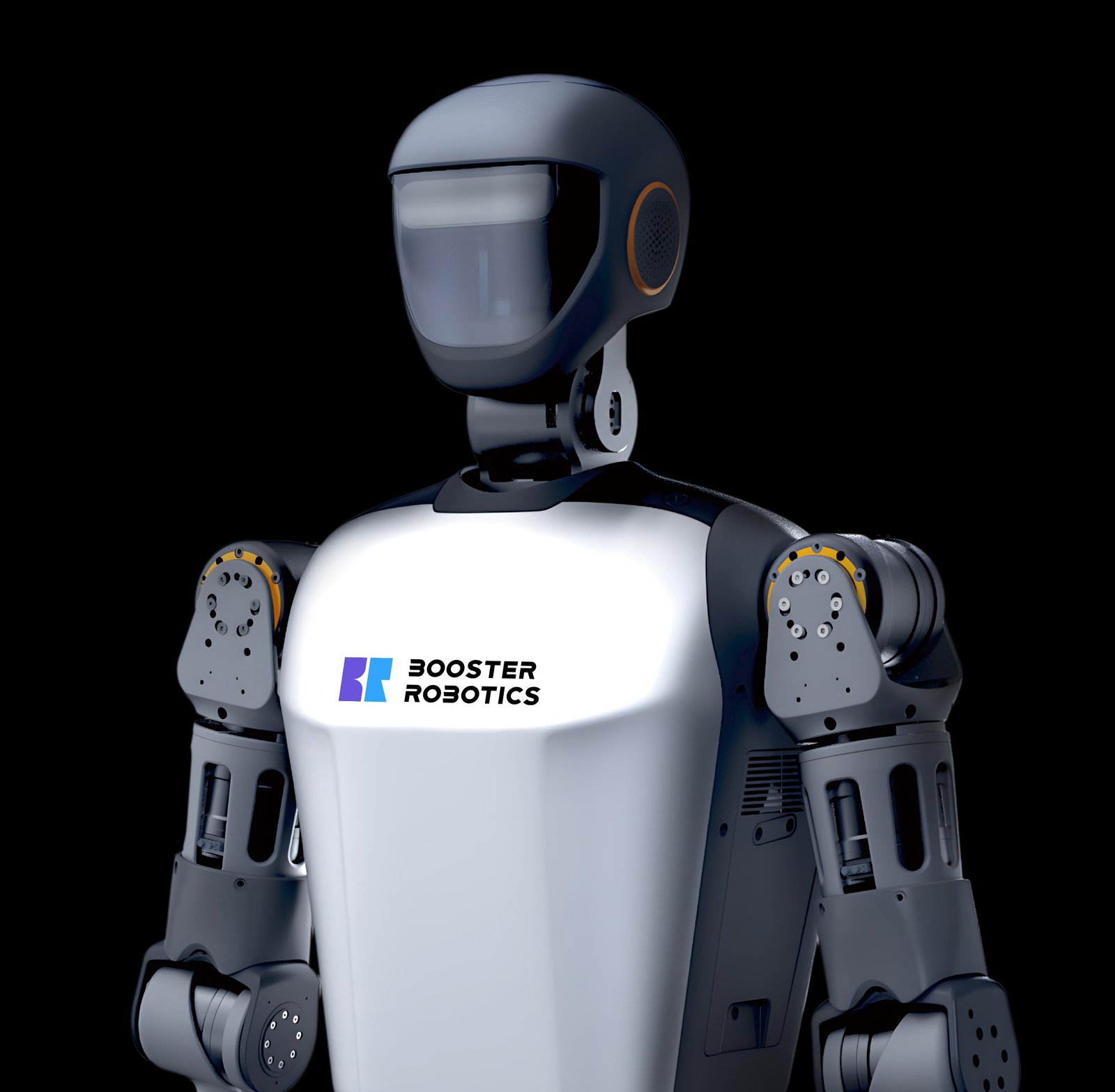

When Booster Robotics published its 2025 results - more than 1,000 robots shipped and revenue of RMB 100 million - one number attracted the most questions from partners: over 40 percent of the company's 200-plus customers are overseas. For a humanoid robot manufacturer in China that was only founded in 2023, building an international customer base that large, that early, is not the usual pattern. This article looks at how it happened, and what it means for buyers evaluating Booster from outside China.
The Numbers Behind the Year
The headline figures are simple. In 2025 Booster shipped more than 1,000 robots and reached RMB 100 million in revenue, serving more than 200 customers in over 20 countries. The T1 and K1 humanoid lines went into top research laboratories, universities and K-12 schools, while the wider range - quadruped, wheeled-legged and baggage handling robots - opened industrial and airport projects. Two years after founding, the company has moved from research spin-off to scaled, repeat delivery: the same products, shipped in volume, to customers who increasingly come back for second and third orders.
Why Overseas Buyers Came Early
International demand arrived early for three practical reasons. First, the product was born in the global research community: Booster's founders come from the Tsinghua Vulcan robot football team, and its platforms are developed together with more than 30 leading research institutions and companies. Second, robot football is an international language - the RoboCup world title won on a Booster-class platform in 2025 was visible proof, in every market at once, that the robots perform. Third, the paperwork was ready: the flagship T1 carries CE, FCC, CB, KC, MIC, WPC and UN38.3 certifications, so overseas laboratories could actually import and deploy it. Our certifications page lists the verified status by model.
What the Revenue Is Being Reinvested In
Milestones matter only for what they fund. The year's revenue is being reinvested along the lines customers feel directly: production and testing capacity to shorten delivery windows, the engineering hiring described elsewhere in this newsroom, the distributor network that puts demonstration and service closer to overseas buyers, and the laboratory programmes that convert a first robot into a multi-year curriculum. Booster's management is explicit that scale is a means rather than the end - the end is a fleet of robots in the field large enough, and supported well enough, that embodied AI becomes ordinary infrastructure in the institutions that teach and research it.
A Research-Led Customer Base
The overseas mix also reflects who buys developer humanoids first. Universities and research institutes evaluate platforms on publications, competition results and the maturity of the developer ecosystem - and Booster's work is backed by dozens of top-tier publications from its team and partners. Education buyers followed the same logic at one remove: a platform proven in research competitions is a credible foundation for teaching. That is why the education and research solutions - laboratory builds, curricula and competition programmes - travel internationally as a package rather than as bare hardware.
What the Mix Means for New Buyers
For a prospective customer, a 40-percent overseas base is a practical asset, not a vanity metric. It means export packing, documentation and shipping are routine rather than experimental; it means reference customers exist in your region and your institution type; and it means product decisions - interfaces, documentation, developer tools - are shaped by international users every release cycle. It also disciplines the roadmap: a manufacturer selling into more than 20 countries cannot survive on demonstrations. The robots have to arrive, work, and keep working, far from the factory. That discipline, repeated across more than twenty sets of regulations, languages and academic calendars, is precisely the experience a new overseas customer is buying into.
Evaluating a humanoid platform for your institution? Compare the relevant product range and deployment scenarios to take the next step.