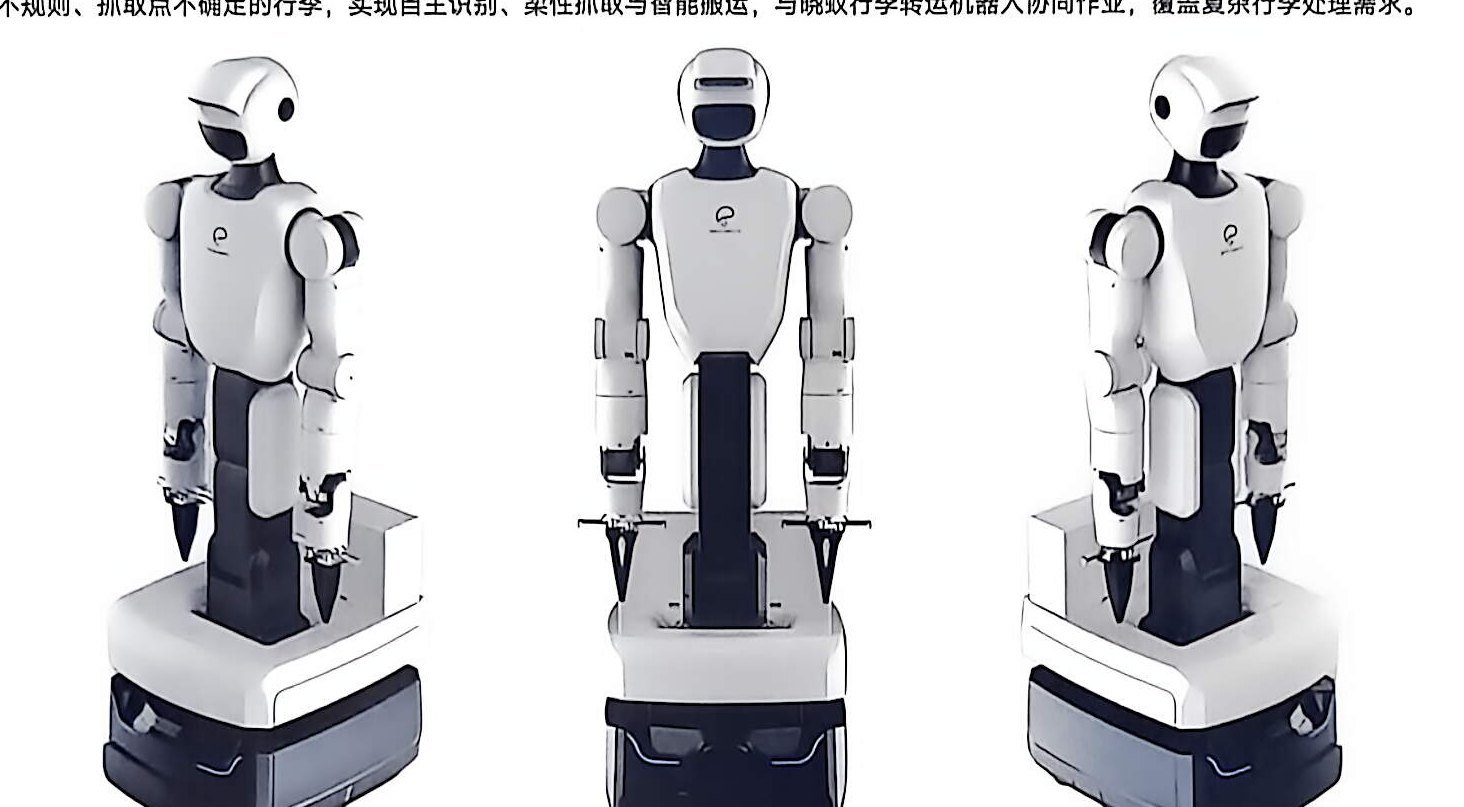

Every baggage robot makes its living at the last ten centimetres - the interface where machine meets suitcase. Get the grip wrong and nothing upstream matters: bags slip, seals break, cycles stall. A baggage handling robot with gripper and suction combined, like the DawnAnt transfer robot, treats holding as an engineering problem with two complementary answers. This article compares suction and mechanical gripping honestly: where each excels, how each fails, and why the combination exists.
Suction: Fast, Gentle, Conditional
A suction cup seals against a smooth face and lets vacuum do the lifting. On a flat hard-shell suitcase it is superb - fast to engage, gentle on the surface, tolerant of small position errors, and quick to release. The conditions hide in the adjectives. Textured shells leak at the seal; curved faces break it; fabric and soft cases deform until the seal gives way; dust and moisture in a working hall degrade all of it. Suction also concentrates force on one patch of shell, which matters with a fully packed case behind a thin wall. Suction is an excellent tool - for the bags that suit it.
Grippers: Secure, and Sized to the Bag
A mechanical gripper closes on the bag itself, and security replaces conditionality: textured, curved and dusty surfaces all grip the same. The engineering moves to fit and force. The gripper must span the real size range of the stream - on the DawnAnt baggage transfer robot, the gripper works across 240-540 mm - and close with force control firm enough to hold a full case through the swing of a 2,000 mm-reach arm, gentle enough not to crush what is inside. A gripper that only fits the middle of the size range quietly returns the extremes to manual handling.
Why the Composite End Effector Wins
Real suitcase streams mix shells, textures and sizes on the same belt, so the practical answer is a composite end effector: suction cup and gripper on one tool, chosen per bag by the perception system. Smooth hard case, well presented? Suction, for speed. Textured or awkwardly sized? Gripper, for security. The baggage handling robot category's throughput figures - DawnAnt's 180 pieces per hour among them - are achieved across the mixed stream, not on a demonstration set of identical cases, and the composite tool is a large part of how. When a brochure quotes a rate, ask which end effector achieved it, and on what mix.
Failure Modes Worth Asking About
Grips fail in instructive ways. Suction lets go suddenly and completely; a well-designed system detects vacuum loss during the lift and sets the bag down rather than dropping it mid-swing. Grippers fail by slipping gradually, which force and position sensing can catch and re-grip. Both failure modes argue for the same design habit: sense the hold, do not assume it. Buyers should ask how the robot verifies a secure grip before the arm moves at speed, what it does on a failed verification, and how a dropped-bag event is logged in the traceability record.
Matching the Tool to Your Stream
The right specification starts with your baggage audit: shell types, size distribution, weights at peak. A stream dominated by hard cases rewards suction speed; a mixed leisure stream rewards the composite. Either way, the grip interface - not the arm, not the software - is where a baggage robot earns or loses its rate, and it deserves the largest share of any evaluation day: bring your hardest suitcases, not the supplier's easiest.
Evaluating baggage robots for your terminal? Compare the relevant product range and deployment scenarios to take the next step.